The top half of the page is dedicated to character and scene art. Most, but not all, of the art has been created by MidJourney, an AI program. This art is intended to create a visual perception for readers who need it.
The bottom half of this page explores my writing process. A lot of work goes into creating a good novel!
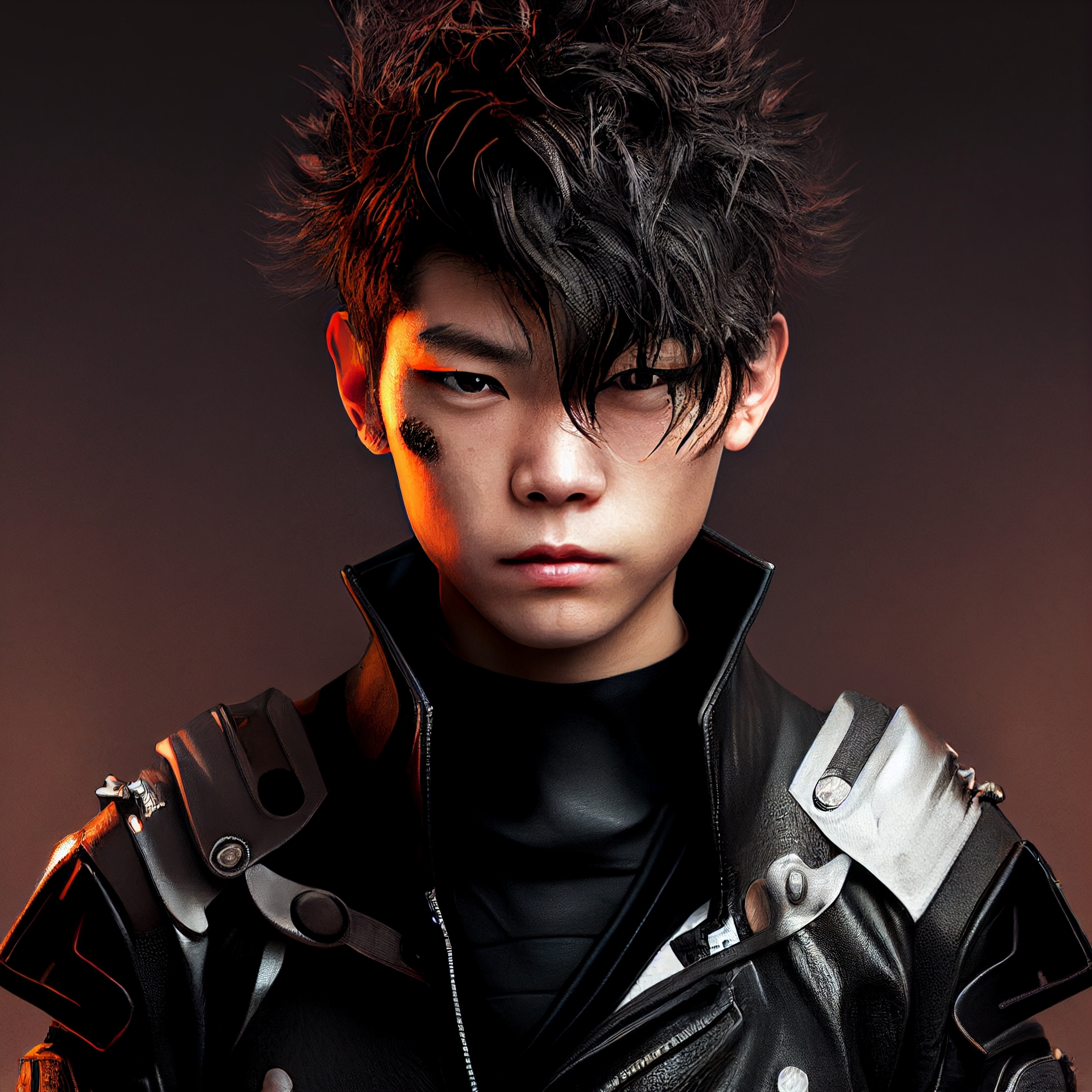
Jori – I have no idea why MidJourney added the stuff to his face. And it wouldn’t do his left eye properly.
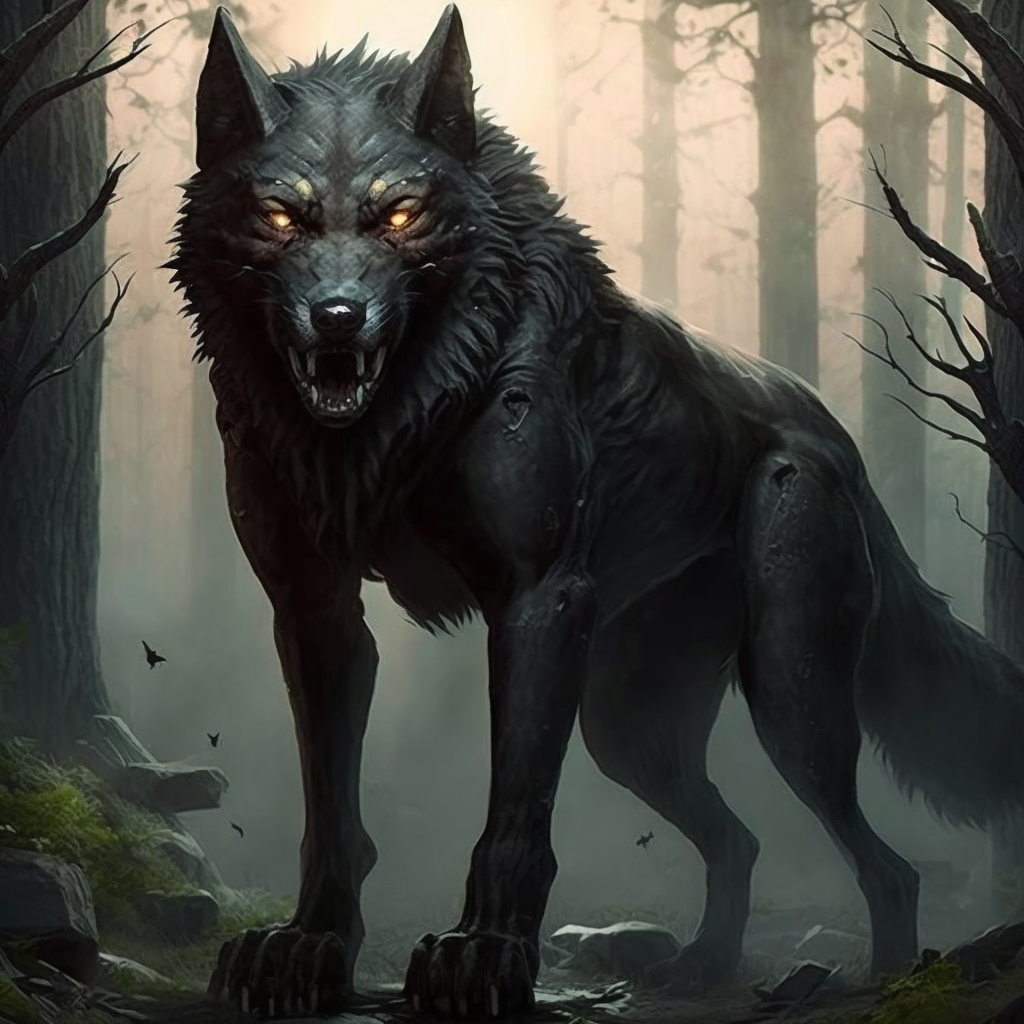
If you’ve ever wondered what the blackbeast looks like, here it is. Honestly, it’s not as vicious as it seems.
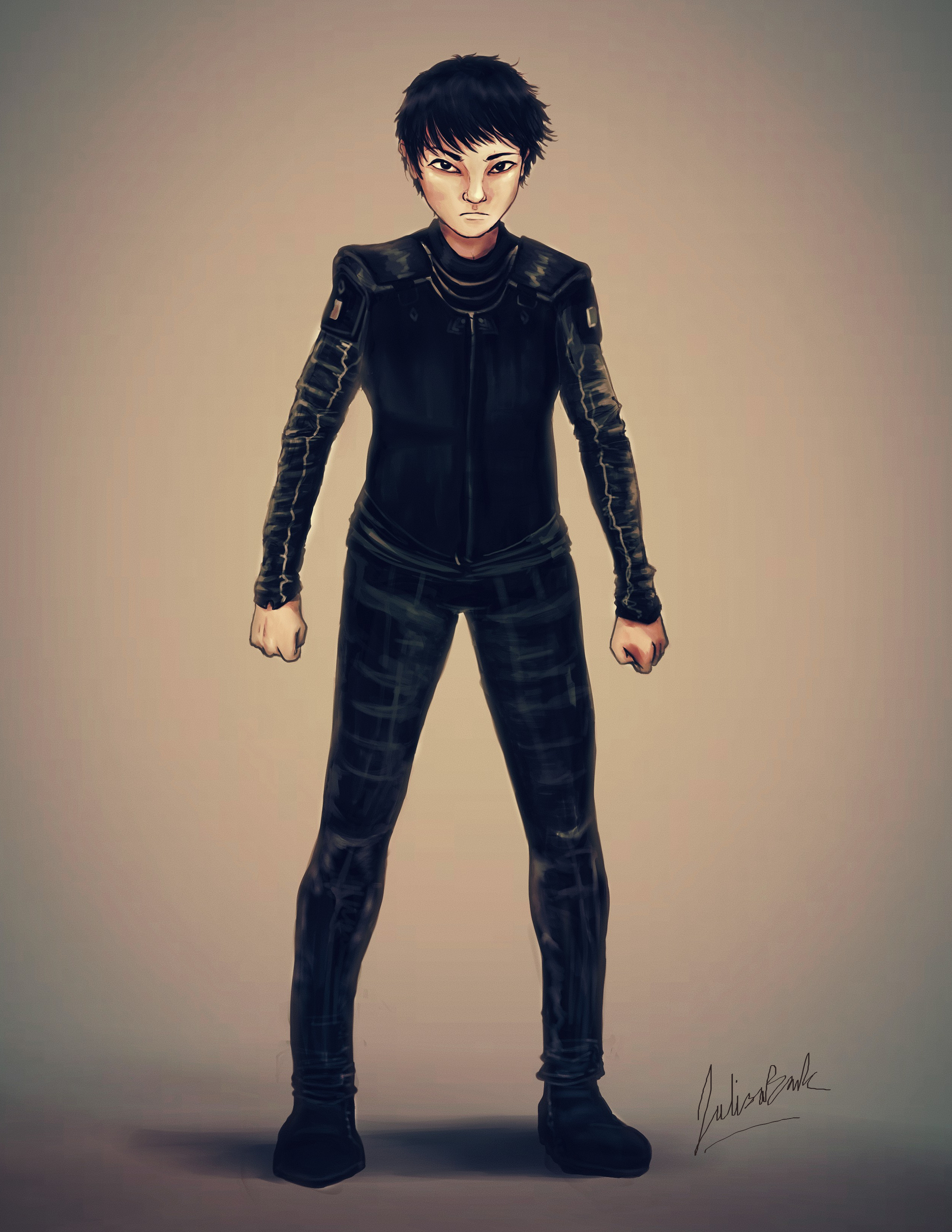
Real art from a real artist! This is Jori, created by Julisa Basak.
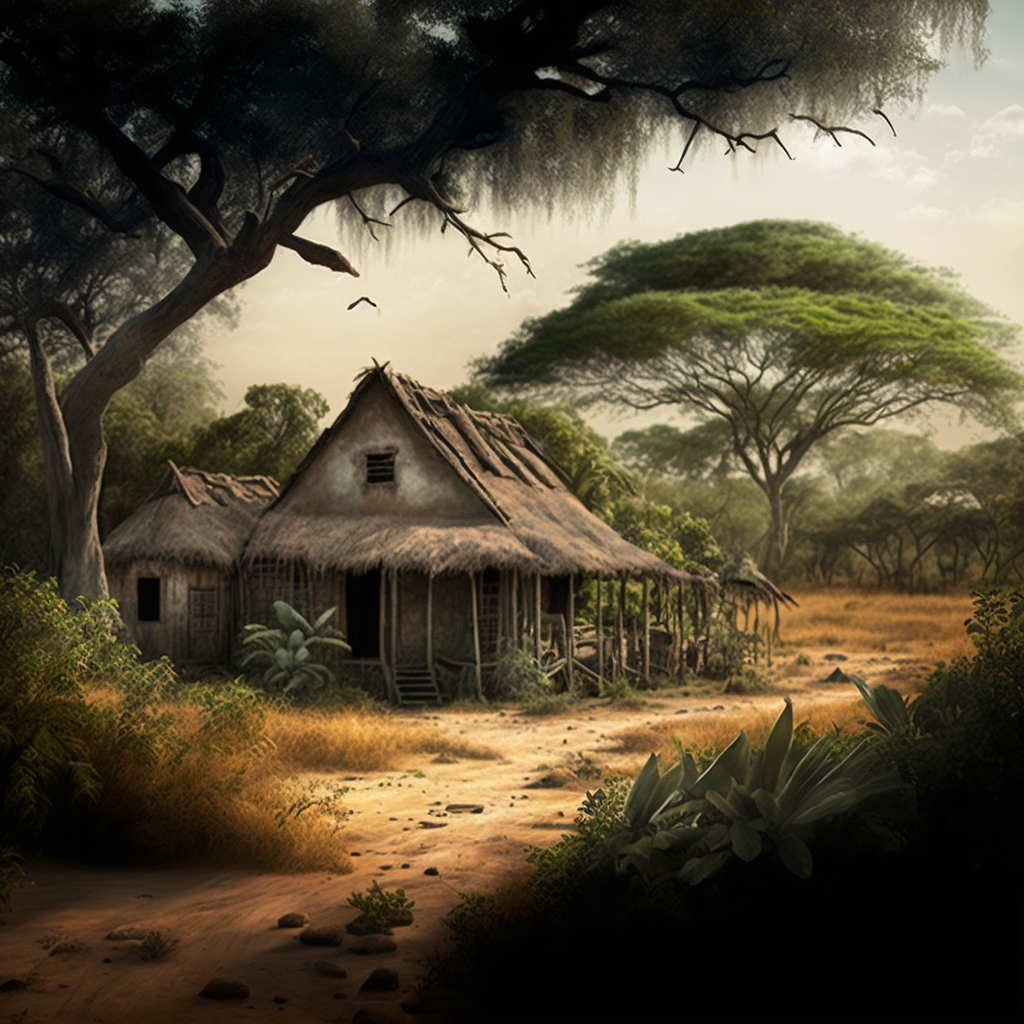
The farm Terkeshi lived on in Isle of Hogs.
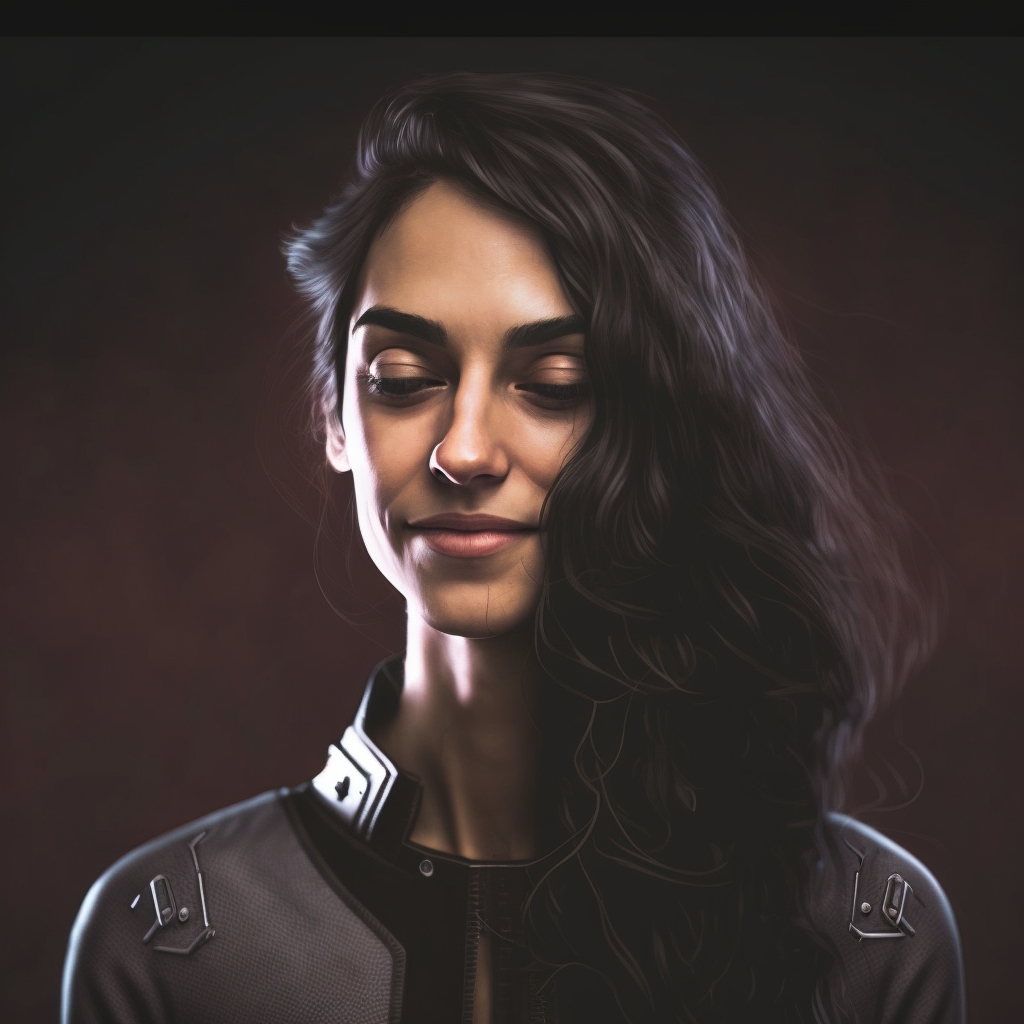
Zaina Noman from the upcoming novel, Orphaned Warrior: Book 5.

Terkeshi – Again, I have no idea why MidJourney added the stuff to his face.
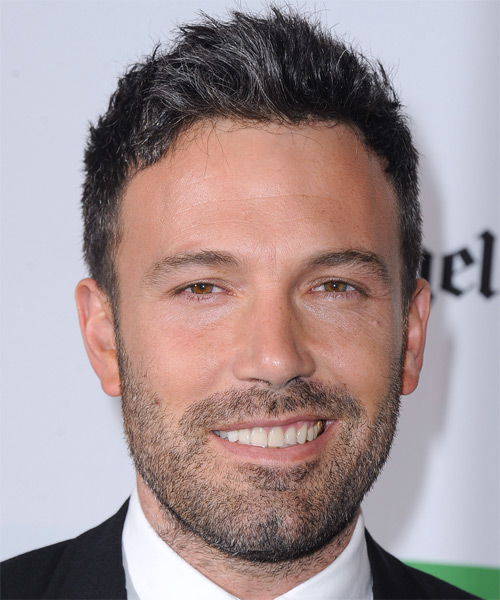
Not art, but a little like what I imagine Commander J.D. Hapker to look like.
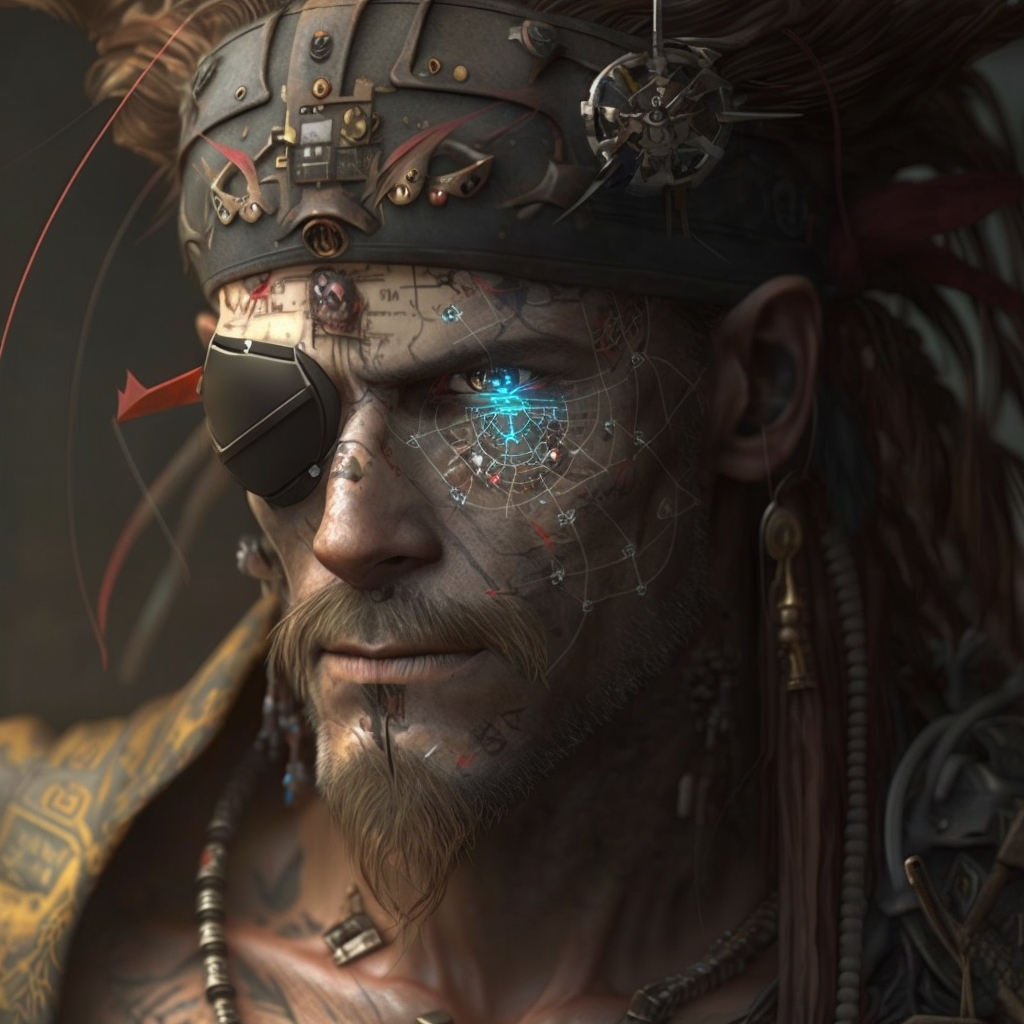
Captain Pak from the Isle of Hogs. I’m thoroughly amazed at MidJourney’s rendition and wonder what real artists it was inspired from.
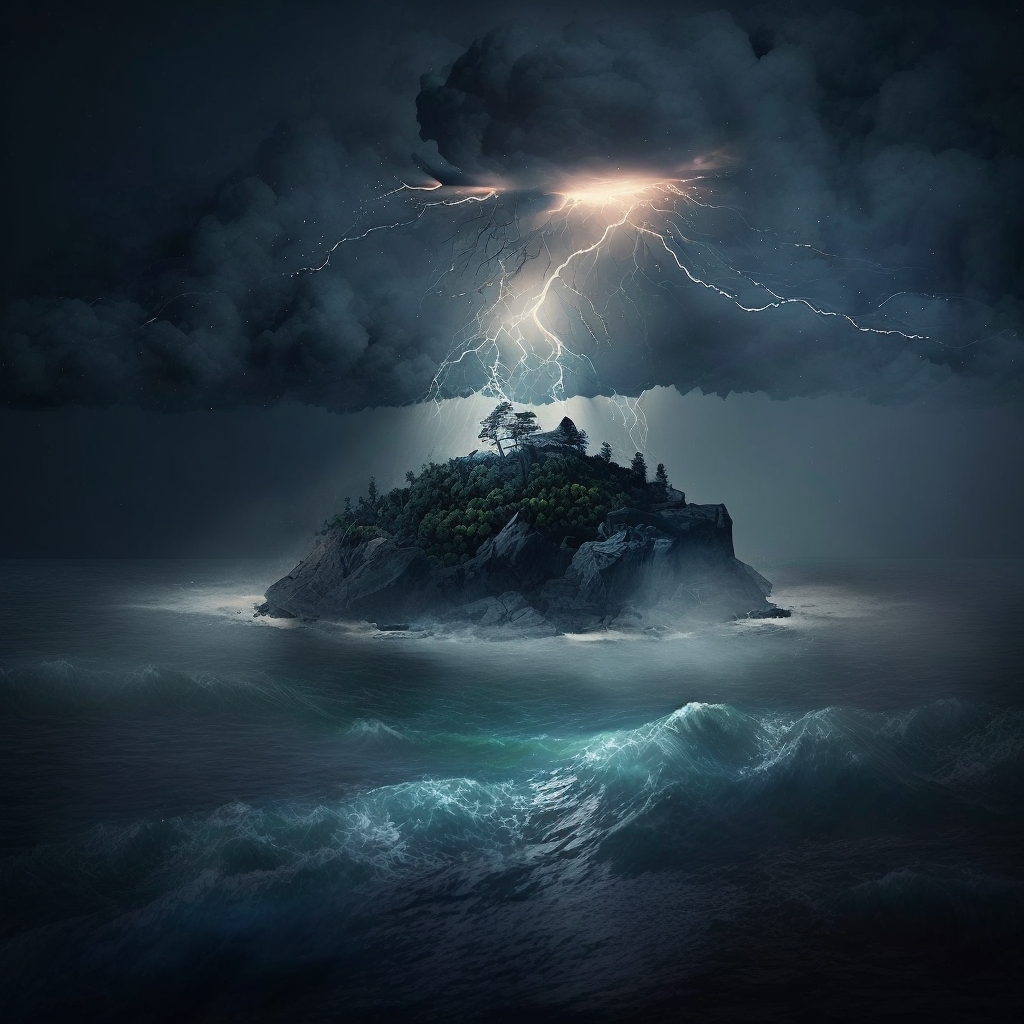
The island from Isle of Hogs.

Major Abelard Blakesley from the upcoming novel, Orphaned Warrior: Book 5.
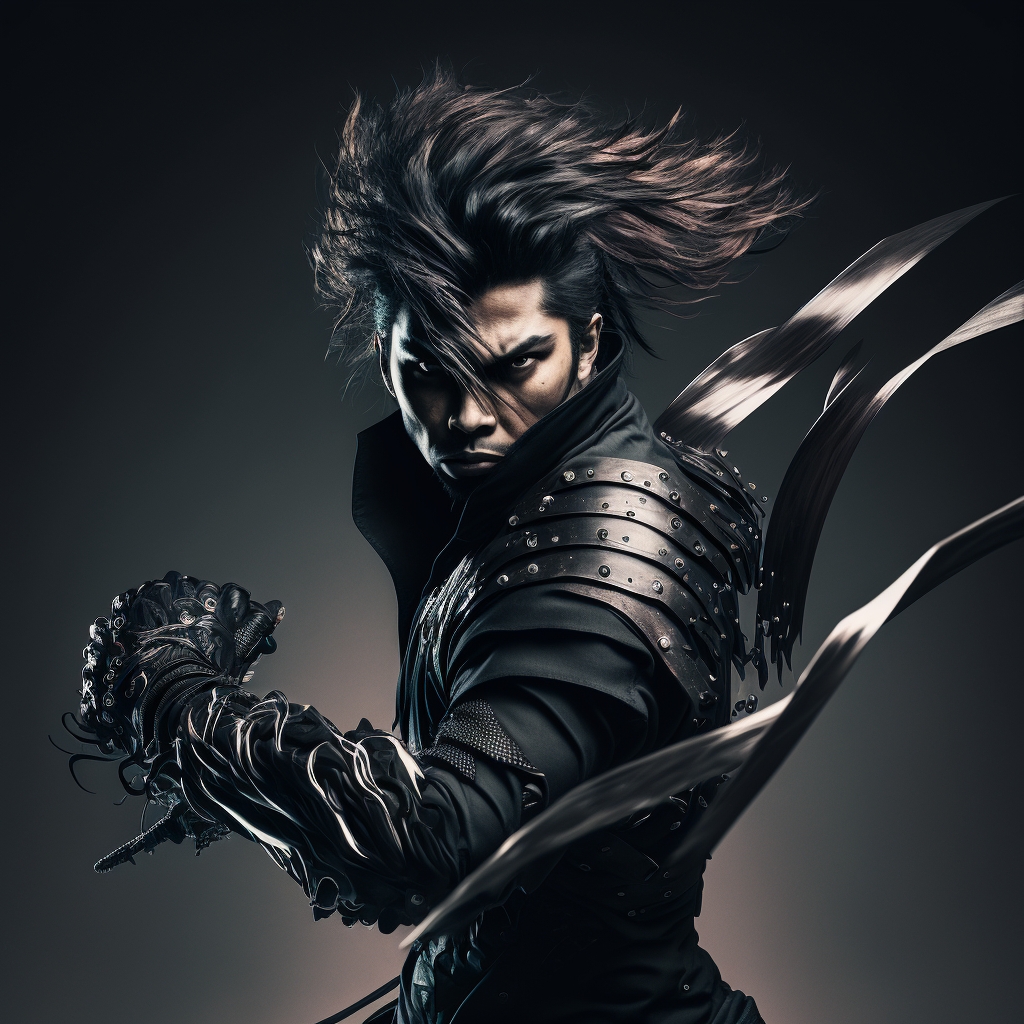
The Dragon Emperor – Yes, he should be older, but I couldn’t get MidJourney to do that.
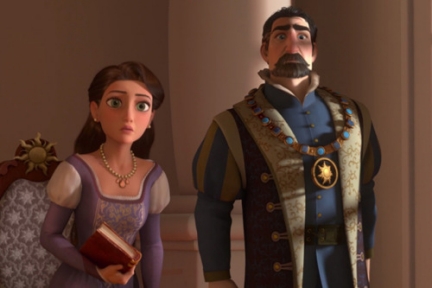
Also not art, but the king in Tangled is a little like how I imagine Captain Arden. Tall, robust, serious.
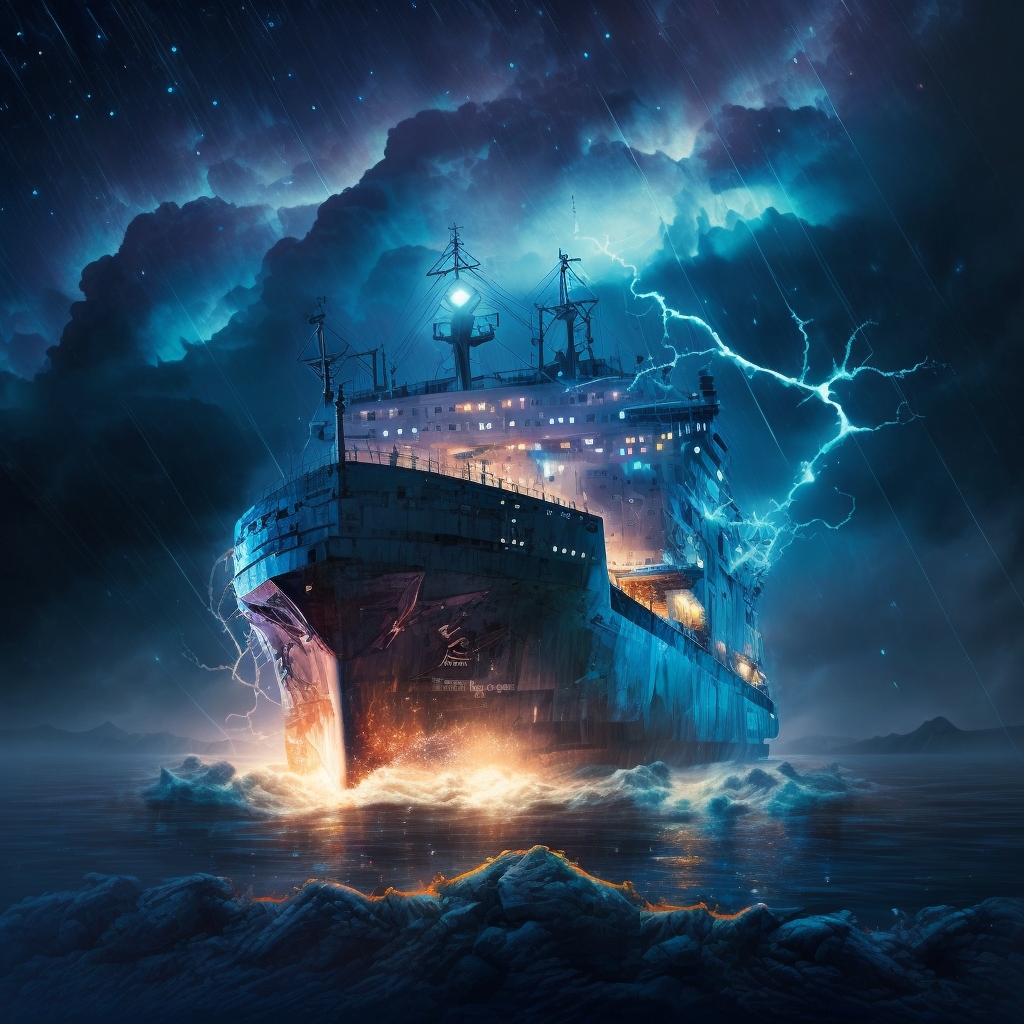
The ocean vessel from Isle of Hogs.

Vance from the upcoming novel, Orphaned Warrior: Book 5.
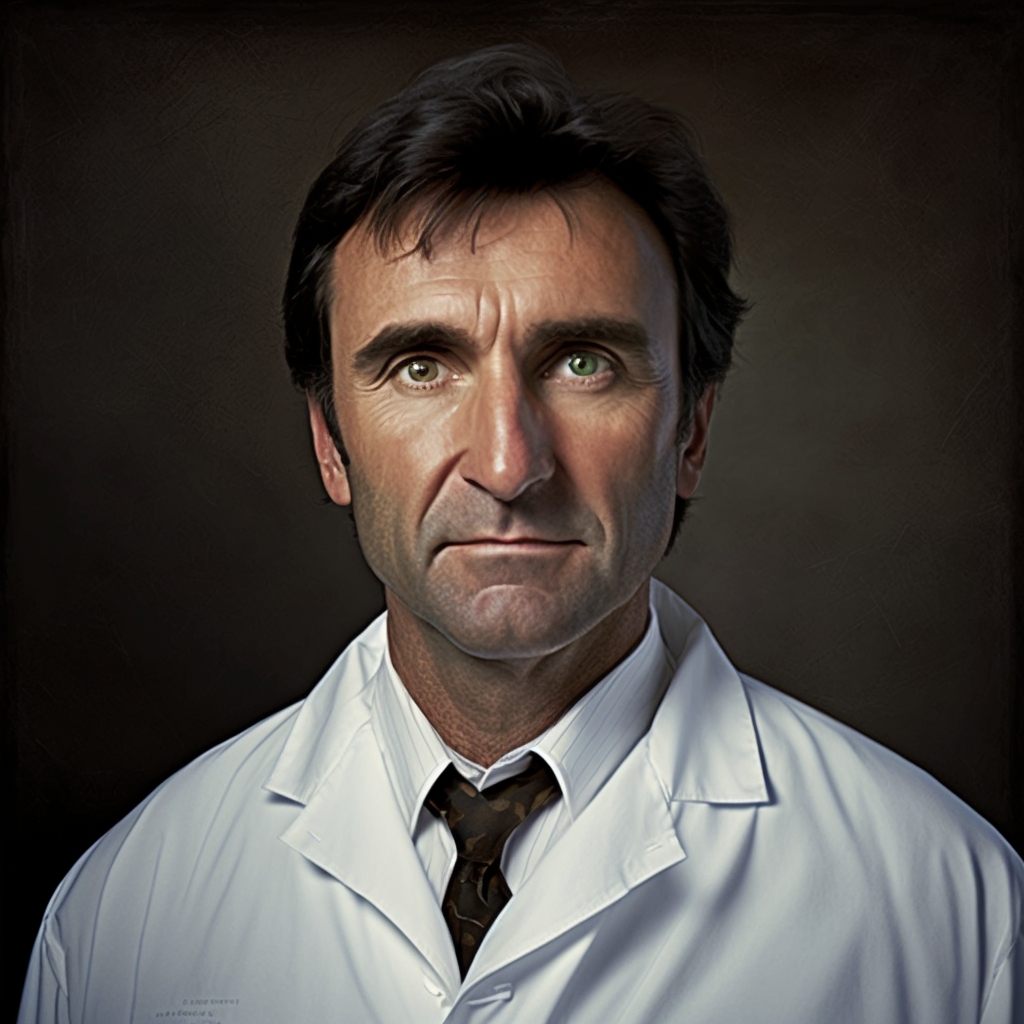
Doctor Stenson from the upcoming novel, Orphaned Warrior: Book 5.
One day, when I find the right artist, I want all my primary characters to be created. Although I’m an artist, I’m better at drawing animals than people. You DO NOT want to see my attempt at drawing Terkeshi!
How I Write a Novel
First draft – This usually takes place in November during NaNoWriMo (aka National Novel Writing Month).
Second draft – This is a 4-6 month process where I review the story, consider what needs to be fixed, and rewrite the draft accordingly. I’m usually much more careful during this second draft than I am in the first draft.
Development editor – This is where I have a professional look at my overall story and tell me where it can be improved. They tell me when the story lags, where it needs more action, where the plot falls apart, and other broad-scope story concerns.
Third Draft – This is where I revise the story based on development editor feedback.
Beta readers – This is where I have 3-5 beta readers read the story and point out mistakes, confusing parts, and other smaller story elements that could be improved. Some of my beta readers are good at noticing technical mistakes while others are good at pointing out where sentences could be worded better.
Fourth draft – This is where I revise the story based on beta reader feedback.
First edit – This is where I use my own editing list to fix common mistakes I know I make, such as misuse of the word lie vs lay or when I use the word that too much. A link to my editing list will be posted soon.
Second edit – This is where I use ProWritingAid to point out things I have a hard time discovering for myself. This editing program covers so much more than simple editing mistakes. It tells you when you repeat words too often (called echoes), when you use too many common adjectives that can be discarded and replaced with better and tighter words, when your sentences have too many filler words (called glue index), where pacing can be improved, and so much more. I highly recommend this program.

Third edit – This is where I hire a professional. Her name is Grace Bridges and she helps me find when my tenses are wrong, when I’ve accidently missed a word, when I use the wrong words, and so much more. Don’t count on Word or other editing programs to find all the mistakes. A real set of professional eyes goes a long way. Why do I go through the first and second editing processes when I hire a professional? Because my professional editor charges so much less when she doesn’t have as many mistakes to point out. And despite how much self-editing I do, she still finds mistakes. I don’t know what I’d do without her.
Formatting for Kindle and paperback – This is the final step before publishing. A link to my Kindle and paperback formats will be posted soon. This will allow you to copy and paste your own manuscript in so you can download to Amazon KDP for publishing. I believe these formats will also work on other platforms, but you will want to look to make sure.
 Fantasy/Sci-Fi Author Dawn Ross